

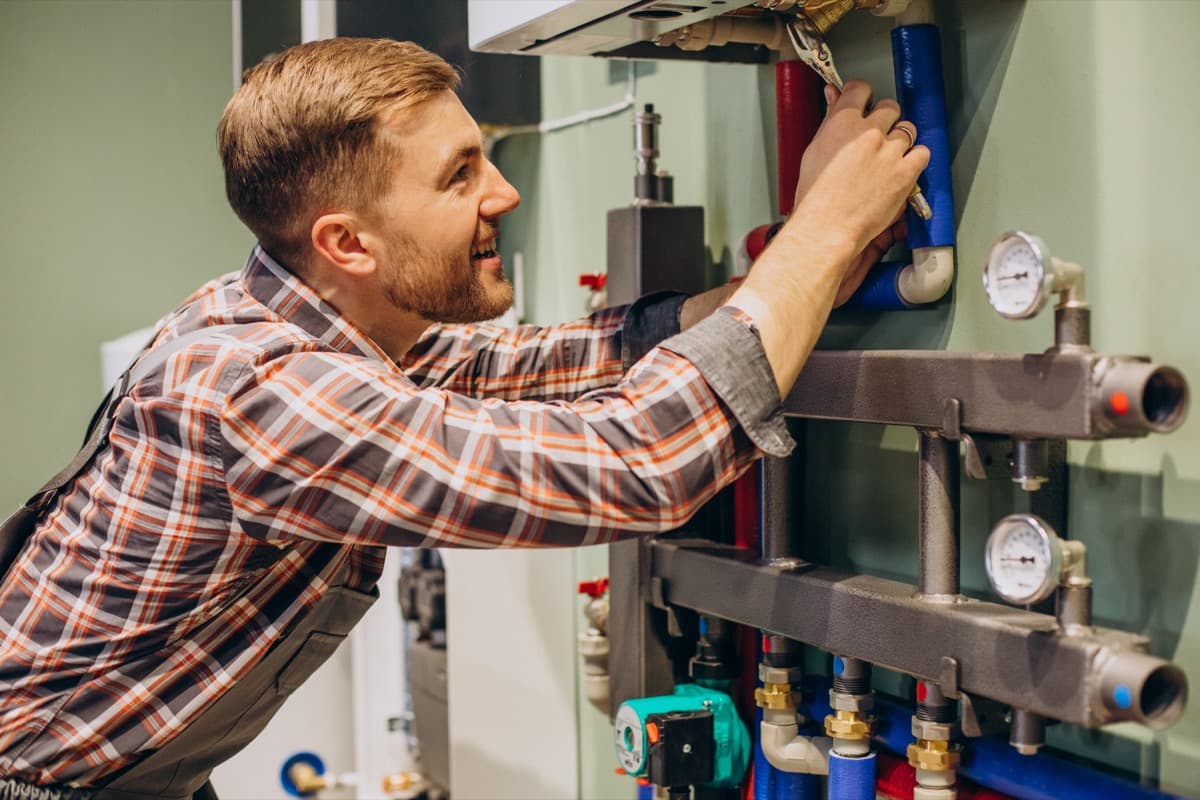
Furnace Not Producing Heat? Here's What to Do
A furnace that won't heat is stressful — especially in winter. Follow these step-by-step troubleshooting tips, learn what common "no heat" repairs cost, and know when to call a pro.
Common "No Heat" Repair Costs
| Item | Low | High |
|---|---|---|
| Thermostat Replacement | $50 | $400 |
| Ignitor Replacement | $100 | $400 |
| Flame Sensor Cleaning/Replacement | $75 | $300 |
| Gas Valve Replacement | $200 | $1,500 |
| Control Board Replacement | $200 | $600 |
| Blower Motor Replacement | $300 | $2,500 |
| Draft Inducer Motor Replacement | $200 | $1,500 |
| Diagnostic/Service Call Fee | $75 | $200 |
| After-Hours Emergency Fee | $150 | $400 |
Costs reflect national averages for 2025–2026. Emergency and after-hours service typically adds $75–$200 to the total. Many companies waive the diagnostic fee if you proceed with the repair.
Immediate Steps When Your Furnace Won't Heat
Before calling a technician, run through these checks. About 30% of "no heat" calls turn out to be simple issues the homeowner can resolve.
Step 1: Check Your Thermostat
- Make sure it's set to "Heat" mode (not "Cool" or "Off")
- Set the temperature at least 3 degrees above the current room temperature
- Replace the batteries if the display is blank or dim
- Try switching from "Auto" to "On" for the fan — if the blower runs but no heat comes out, the problem is with the furnace itself, not the thermostat
Step 2: Check the Air Filter
A severely clogged filter can cause the furnace to overheat and shut down via the high-limit switch. Pull out the filter and hold it up to a light. If you can't see light through it, replace it. This alone fixes the problem in many cases.
Step 3: Check the Circuit Breaker
The furnace has its own breaker in your electrical panel. If it's tripped, flip it off completely, wait 30 seconds, and flip it back on. If it trips again immediately, do not keep resetting it — there's an electrical problem that needs professional attention.
Also check the furnace power switch, which looks like a light switch and is usually located on or near the furnace. It may have been accidentally turned off.
Step 4: Check the Gas Supply (Gas Furnaces)
- Verify the gas valve near the furnace is in the open position (handle parallel to the pipe)
- Check if other gas appliances (stove, water heater) are working — if none are, the issue may be with your gas service, not the furnace
- If you smell gas, do not flip any switches. Leave the house immediately and call your gas company from outside.
Step 5: Check the Condensate Drain (High-Efficiency Furnaces)
High-efficiency (90%+ AFUE) furnaces produce condensation that drains through a tube. If this tube is clogged or frozen, the furnace will shut down. Check for water pooling around the furnace base and clear any visible blockages in the drain line.
Safety First — Critical Warnings
A furnace that isn't working can create safety hazards beyond just being cold. Take these seriously.
Carbon Monoxide Risks
A malfunctioning furnace — especially one with a cracked heat exchanger — can produce carbon monoxide (CO), an odorless, colorless gas that can be lethal. If your CO detector alarms:
- Get everyone out of the house immediately — including pets
- Call 911 from outside
- Do not re-enter until emergency services clear the home
- Have the furnace professionally inspected before using it again
If you don't have CO detectors, install them on every level of your home. This is not optional if you have a gas or oil furnace.
When to Evacuate
Leave your home immediately if you notice:
- Gas smell (rotten egg odor)
- Carbon monoxide detector alarm
- Electrical burning smell coming from the furnace
- Visible sparks or flames outside the furnace cabinet
Protecting Pipes From Freezing
If your furnace is out and temperatures are below freezing:
- Open cabinet doors under sinks on exterior walls
- Let faucets drip slightly to keep water moving
- If you'll be without heat for an extended period, consider draining your water system or hiring an emergency plumber to winterize
- Keep interior doors open to allow any available heat to circulate
Temporary Heating Solutions
While waiting for a repair:
- Space heaters: Use only UL-listed electric space heaters. Keep them at least 3 feet from anything flammable. Never leave them unattended or running while you sleep.
- Fireplace: If you have a working fireplace, use it — but make sure the damper is open and the chimney is clear.
- Never use your oven for heating. A gas oven produces carbon monoxide, and an electric oven is a fire hazard. This is dangerous and should never be done.
- Layer up: Close off unused rooms, use heavy blankets, and gather the household into one room to conserve body heat.
When It's a DIY Fix vs. When to Call a Pro
You Can Likely Fix It Yourself
- Clogged air filter — Replace it ($5–$30)
- Tripped breaker — Reset it (free, but investigate if it trips again)
- Thermostat batteries — Replace them ($3–$5)
- Thermostat settings — Switch to Heat mode, raise temperature
- Furnace power switch — Flip it back on
- Pilot light out — Relight it following the instructions on your furnace (older models only)
Call a Professional
- Furnace doesn't respond after you've checked all the basics
- You smell gas or a burning electrical odor
- CO detector alarms
- Furnace starts and then shuts off repeatedly
- You see error codes flashing on the furnace control board
- Furnace makes loud banging, screeching, or grinding noises
- You've already replaced the filter and reset the breaker with no improvement
Expect to pay $75–$200 for a diagnostic fee, plus the cost of parts and labor. After-hours or emergency calls add $75–$200 to the total. See our furnace repair cost guide for detailed pricing, or check whether emergency furnace repair is available in your area.