

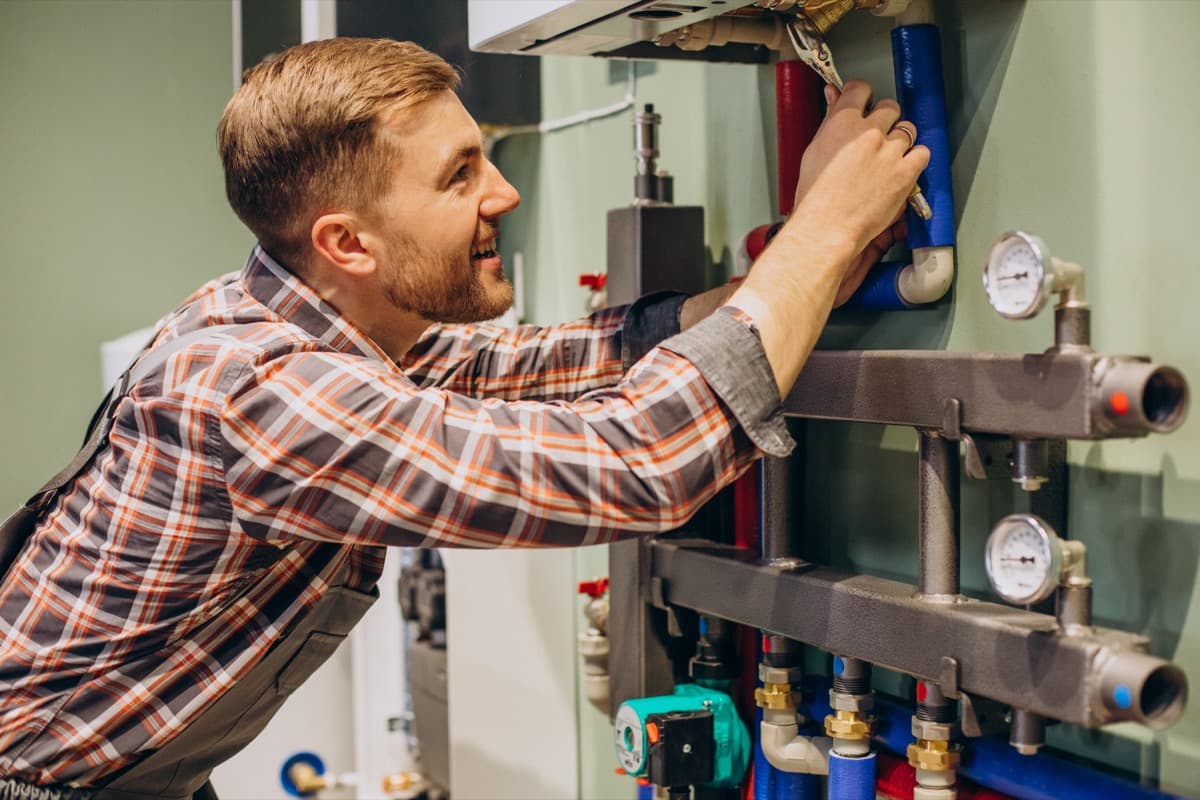
Electric Furnace Repair: Costs, Common Problems & Service Guide
Electric furnace repairs cost $100–$900 on average. Learn about common electric furnace issues, component costs, and how electric compares to gas furnace repair.
Most homeowners pay
Based on national averages for electric furnace repairs (2025–2026 data). Electric furnaces are generally the least expensive furnace type to repair.
Electric Furnace Repair Costs at a Glance
| Item | Low | High |
|---|---|---|
| Heating Element Replacement | $100 | $500 |
| Sequencer Replacement | $100 | $300 |
| Limit Switch Replacement | $100 | $250 |
| Transformer Replacement | $75 | $200 |
| Blower Motor Replacement | $300 | $800 |
| Control Board Replacement | $200 | $600 |
| Contactor Replacement | $100 | $300 |
| Diagnostic Fee | $75 | $150 |
Based on national averages for electric furnace repairs (2025–2026 data). Electric furnaces are generally less expensive to repair than gas furnaces because they have fewer components and no combustion system. Actual costs vary by location and contractor.
Common Electric Furnace Problems
Electric furnaces are simpler than gas furnaces — no burners, no gas valve, no heat exchanger, and no flue. They heat air by passing it over electric heating elements, similar to a large toaster. This simplicity means fewer things can go wrong, but the components that do fail require professional repair.
Tripped Circuit Breakers ($0–$200)
Electric furnaces draw significant power — 15,000 to 30,000 watts for a whole-home unit. This means they're wired to dedicated high-amperage breakers. A breaker can trip due to:
- Momentary power surge
- A short circuit in the furnace wiring
- An overloaded electrical panel
- A failing heating element drawing excessive current
What to do: Reset the breaker once. If it trips again immediately, do not keep resetting it — you have an electrical problem that needs professional diagnosis. Repeated tripping can be a fire hazard.
Failed Heating Elements ($100–$500)
Electric furnaces contain 2–6 heating elements arranged in stages. Each element is a large resistive coil that converts electricity into heat. Elements fail over time due to:
- Normal wear (they have a finite number of heat cycles)
- Power surges
- Restricted airflow causing overheating
Symptoms:
- Furnace runs but produces lukewarm air
- Some rooms don't reach the set temperature
- Furnace runs longer than usual to heat the home
- Higher electricity bills without explanation
A single failed element reduces heating capacity but doesn't usually shut the furnace down completely. Multiple failed elements will leave you with noticeably inadequate heat. Replacement costs $100–$500 per element depending on the furnace model.
Sequencer Failure ($100–$300)
The sequencer is a device that turns heating elements on one at a time in sequence, rather than all at once. This prevents a massive spike in electrical demand that could trip breakers or damage the electrical system.
When a sequencer fails, the elements it controls won't activate. If the first-stage sequencer fails, the furnace won't heat at all. If a later-stage sequencer fails, you'll get reduced heat output.
Symptoms:
- No heat or reduced heat
- Breakers tripping when the furnace starts
- Only some elements heating (partial heat output)
Limit Switch Tripping ($100–$250)
The limit switch is a safety device that shuts off the heating elements if the furnace overheats. Common causes of repeated limit switch tripping include:
- Clogged air filter restricting airflow
- Blocked return air vents
- Failed blower motor (no air circulation to cool the elements)
- Dirty blower wheel reducing airflow capacity
What to do: Replace the air filter first. If the limit switch continues to trip, the blower motor or blower wheel likely needs attention. A technician can test the limit switch itself ($100–$250 to replace if faulty).
Blower Motor Issues ($300–$800)
The blower motor circulates heated air through the ductwork. Common failure modes include worn bearings, failed capacitors, and burnt windings.
Symptoms:
- No airflow despite the furnace running
- Weak airflow from vents
- Loud humming, squealing, or grinding noises
- Furnace shuts down due to overheating (limit switch trips)
Electric furnace blower motors tend to be less expensive than those in gas furnaces because the motor sizes are often smaller and more standardized.
Electric vs. Gas Furnace Comparison
If you're deciding between repairing your electric furnace or considering a switch to gas, here's how the two compare.
| Factor | Electric Furnace | Gas Furnace |
|---|---|---|
| Average Repair Cost | $100–$900 | $100–$1,200 |
| Most Expensive Repair | Blower motor ($300–$800) | Heat exchanger ($500–$3,500) |
| Diagnostic Complexity | Simpler (electrical testing) | More complex (combustion, gas, electrical) |
| Safety Risks During Repair | Electrical shock | Gas leaks, carbon monoxide |
| Annual Maintenance Cost | $50–$150 | $90–$200 |
| Average Lifespan | 20–30 years | 15–20 years |
| Operating Cost (Heating) | Higher (electricity costs more per BTU) | Lower (natural gas is cheaper per BTU) |
Key takeaway: Electric furnaces are cheaper to repair and maintain, but more expensive to operate. Gas furnaces cost more to repair but less to run. The total cost of ownership depends on your local electricity and gas rates.
When to Consider Switching to Gas
- Your electricity rates are high (above $0.15/kWh)
- Natural gas is available at your home
- You're replacing the furnace anyway and want to reduce operating costs
- You live in a cold climate where heating demand is high
When to Stick With Electric
- Your furnace is still in good condition (electric furnaces can last 20–30 years)
- Gas service isn't available or would be expensive to install
- You have solar panels or low electricity rates
- You prefer simpler maintenance requirements
- You want to avoid combustion-related safety risks (CO, gas leaks)
Electric Furnace Maintenance Tips
Electric furnaces require less maintenance than gas or oil furnaces, but regular attention extends lifespan and prevents costly repairs.
Monthly (Homeowner)
- Replace or clean the air filter ($5–$30). A clogged filter restricts airflow, causes overheating, and accelerates wear on heating elements and the blower motor.
- Check that supply and return vents are open and unblocked by furniture, rugs, or curtains.
Annually (Professional, $50–$150)
- Inspect and test all heating elements
- Check sequencer operation
- Test the limit switch and other safety controls
- Inspect electrical connections and tighten loose terminals
- Check the blower motor and lubricate bearings if applicable
- Test thermostat calibration
- Measure amperage draw to verify proper operation
Annual maintenance for electric furnaces costs less than gas furnace maintenance ($50–$150 vs. $90–$200) because there are no combustion components to inspect, clean, or adjust.
Every 3–5 Years
- Clean the blower wheel and housing (dust buildup reduces efficiency)
- Inspect ductwork for leaks and damage
Electric Furnace Lifespan
Electric furnaces are among the longest-lasting heating systems, with a typical lifespan of 20 to 30 years. The lack of combustion means no corrosive byproducts eating away at internal components.
Signs Your Electric Furnace Needs Replacement
- Age over 25 years — Even if running, very old units are less efficient and parts become harder to source
- Multiple element failures — Replacing more than 2 elements at once approaches the cost of a new unit
- Frequent breaker trips — May indicate wiring or component issues throughout the system
- Can't maintain temperature — Despite working elements, the furnace struggles to heat the home
- Repair costs exceeding 50% of replacement cost — A new electric furnace installed costs $2,000–$6,000
Replacement Cost
A new electric furnace installed costs $2,000–$6,000, making it the least expensive furnace type to replace. This is significantly less than gas furnaces ($3,800–$12,000). Use the $5,000 rule or our repair vs. replace calculator to decide whether repair or replacement makes more sense.